Resources

Fact bites

Check out our latest fact bites! These are little info nibbles about food packaging materials and food contact chemicals published to our social media channels. Learn more about each topic below and find additional resources to dive deeper.

Fact bite #1 – Regrettable substitution and the precautionary principle

🔎 When chemicals are assessed and regulated individually, hazardous ones might be replaced with other substances that currently lack safety data but might be just as (or more) hazardous than the original.

🧪 This change from a known hazardous chemical to a not-yet-known hazardous chemical is called a ‘regrettable substitution’.

Fact bite #2 – Non-intentionally added substances

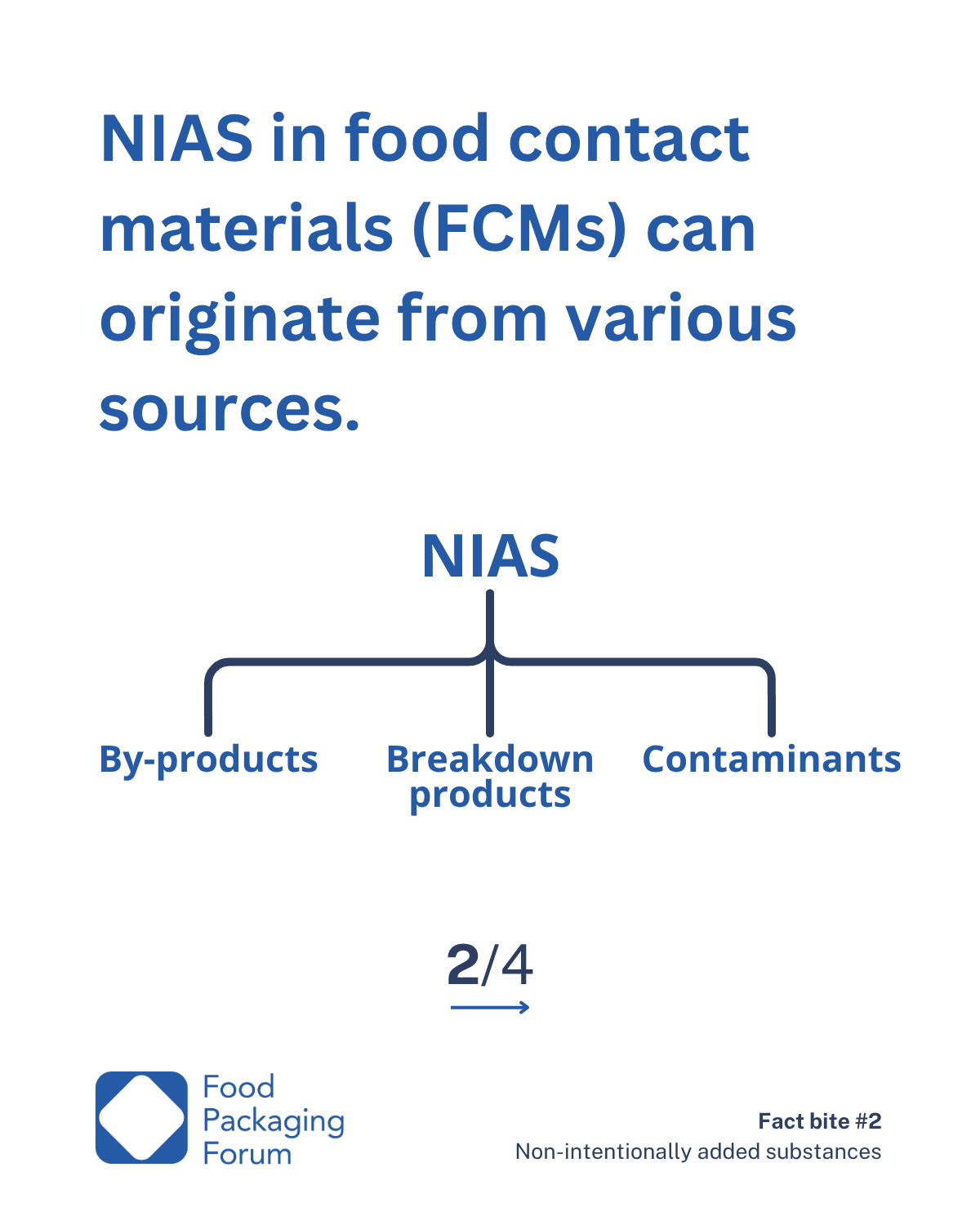
☝️ Non-intentionally added substances (NIAS) pose a significant challenge in ensuring the chemical safety of food contact materials.

📖 The science is showing that there are 1000s of these NIAS present in many food contact chemicals, such as paper, board, and plastics. It is difficult to detect and identify all NIAS in a sample, and currently, most are not being assessed for their safety.

Fact bite #3 – Recycling of food contact materials

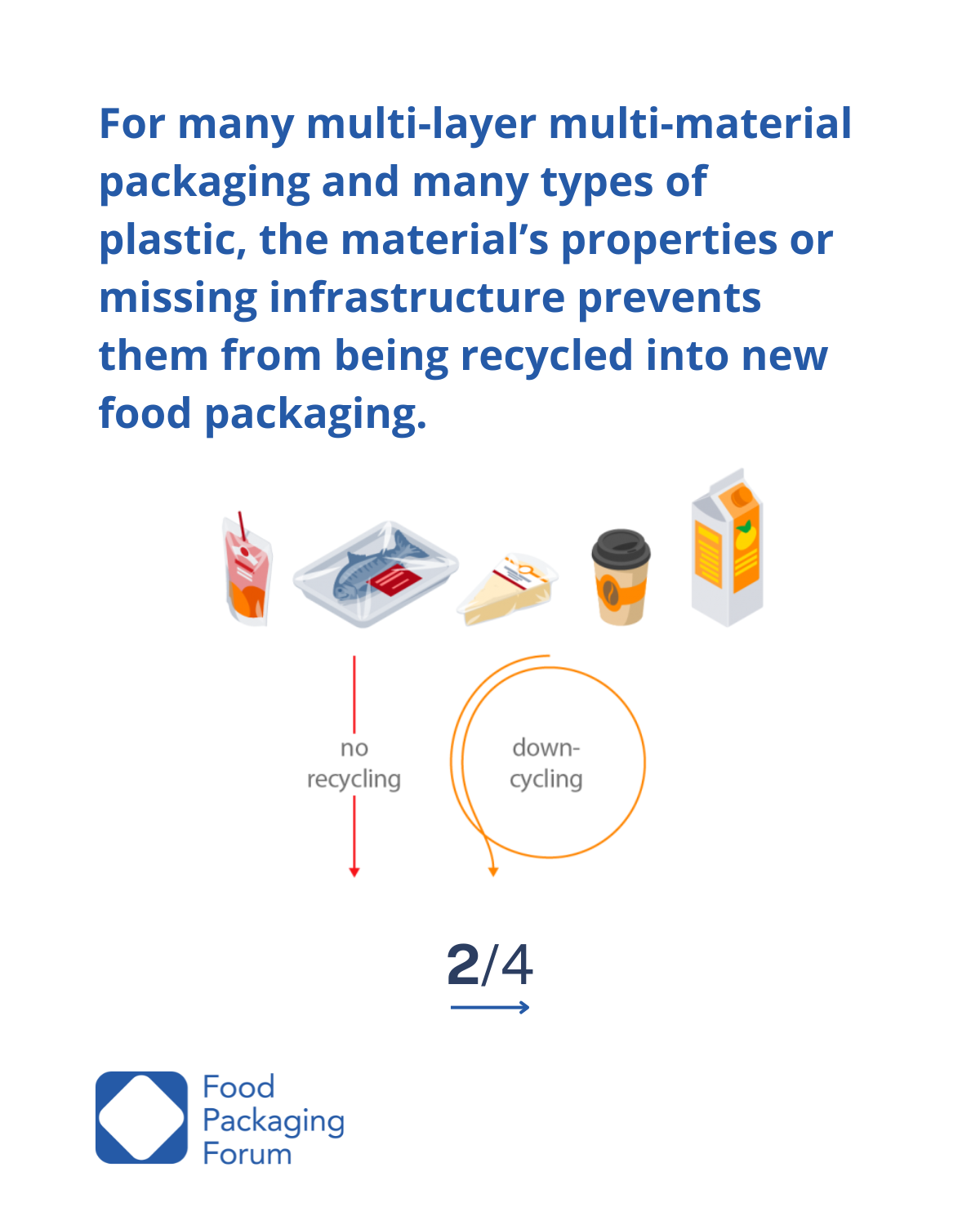
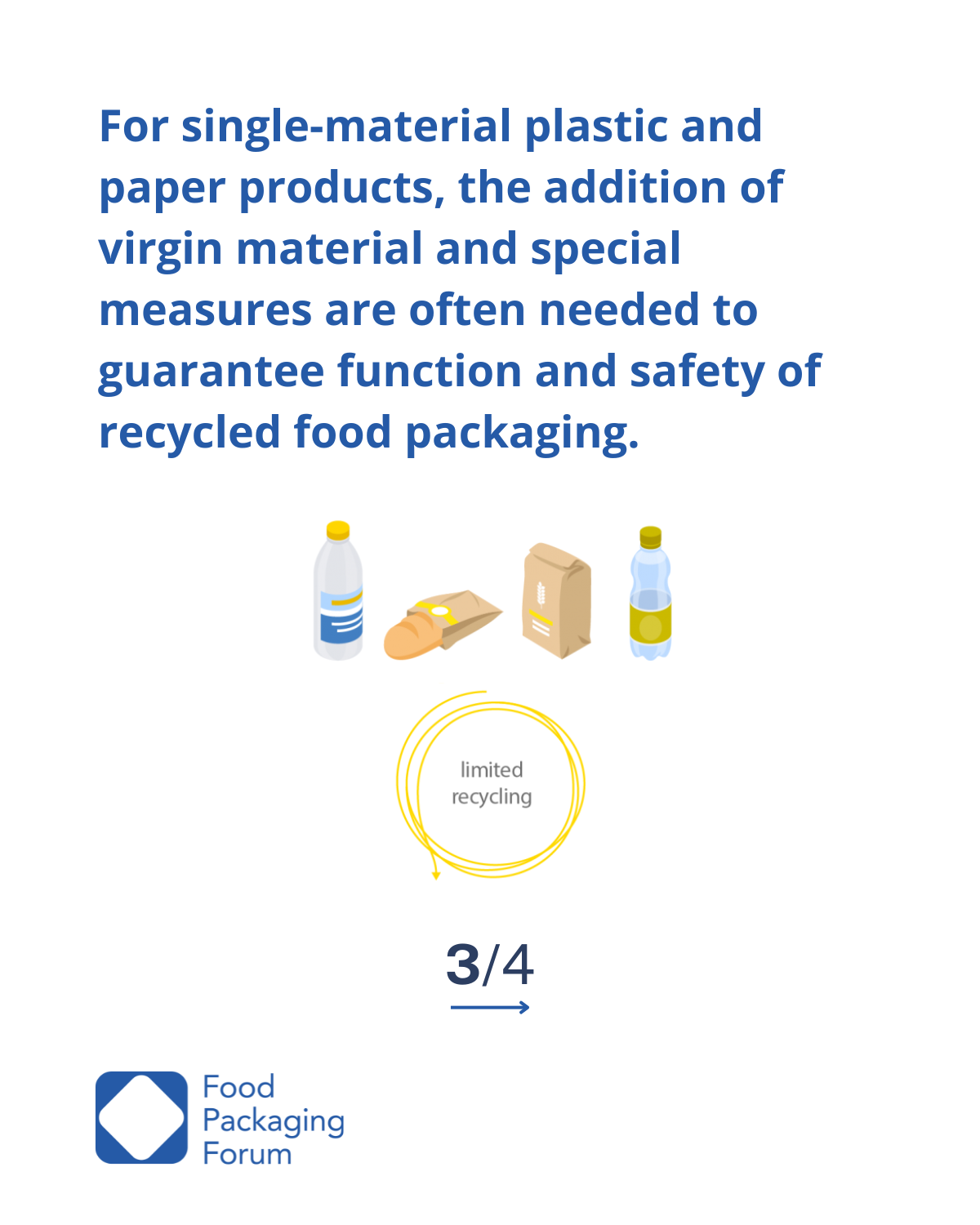
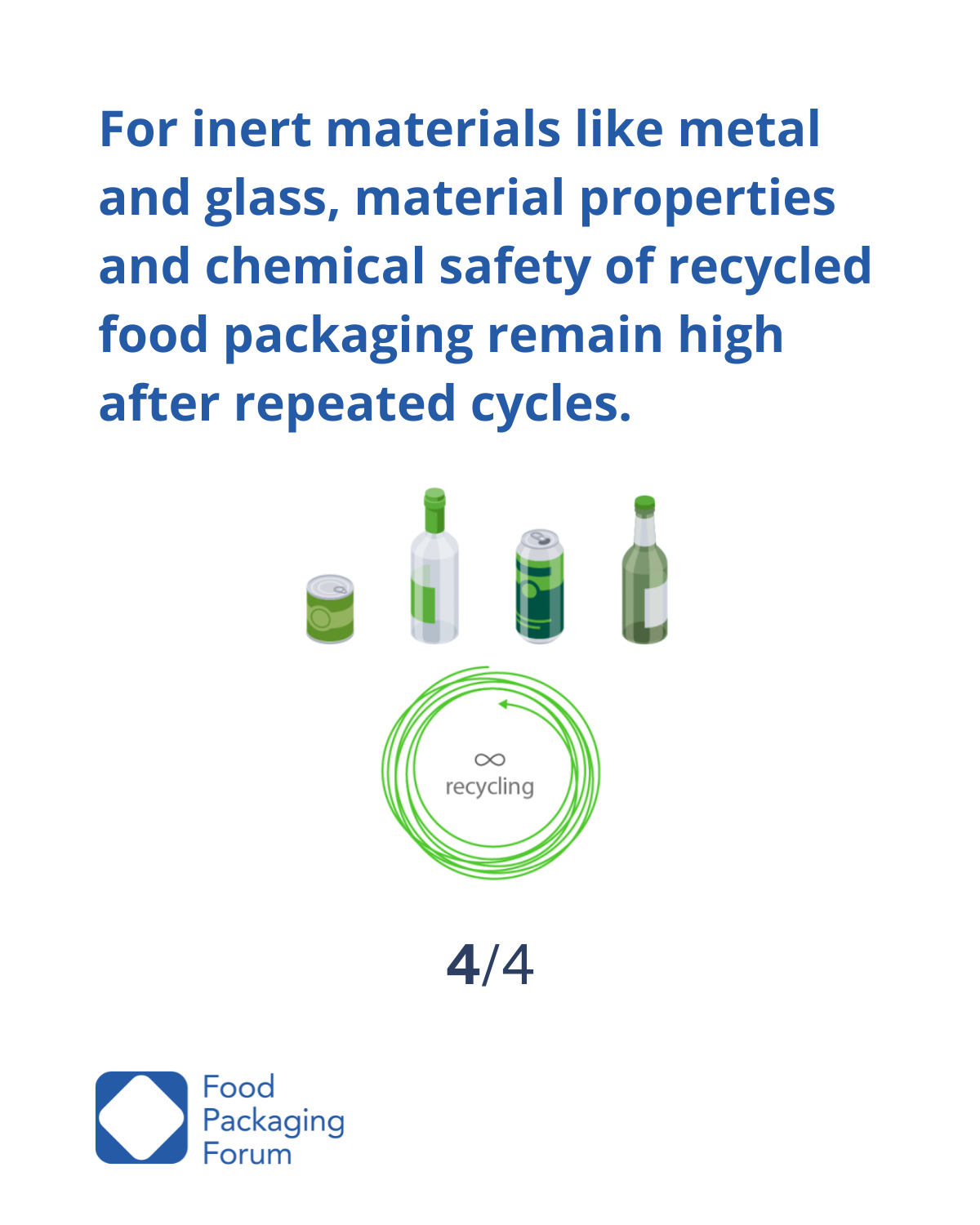
♻️ Recycling is a challenging topic. The recyclability of packaging items strongly depends on their materials. While food contact materials like glass and metal can be infinitely recycled without the loss of quality or safety, products made from complex materials like plastics, paper and board, or a combination of them can only be recycled to a limited extent, if at all.

Fact bite #4 – Microplastics from food packaging

🏞️ Micro- and nanoplastics (MNPs) are being found everywhere. To us, they are an invisible form of plastic pollution widely present in both the natural environment and our bodies.

🔬 Research is still ongoing to understand if this widespread exposure is impacting human health.

☝️ We do know that plastic food packaging and processing equipment are significant sources of the MNPs present across many foods we consume.

Fact bite #5 – Chemical migration

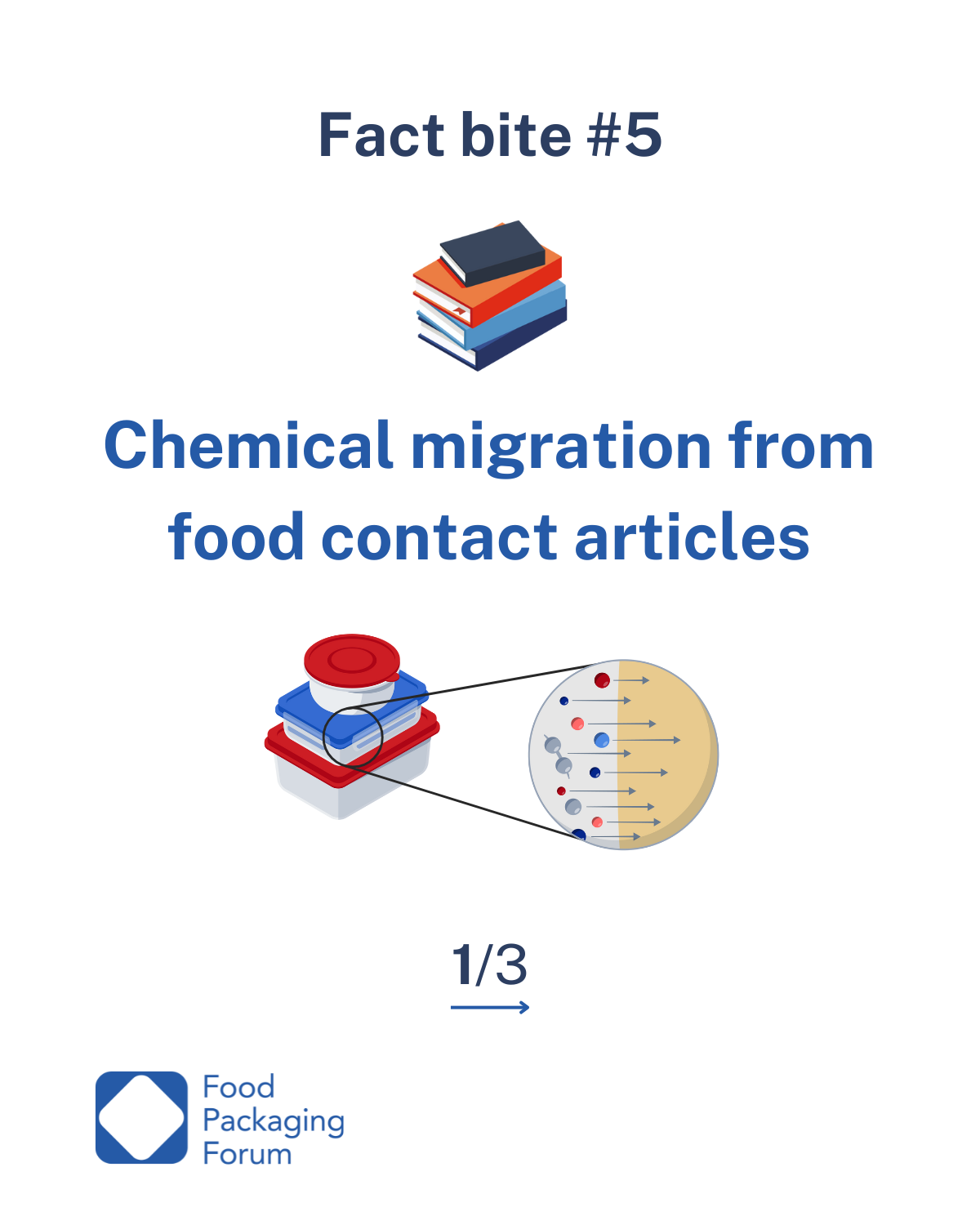
⚠️ Did you know that hazardous chemicals can migrate from food packaging and foodware into food? There are even certain characteristics of the food itself that can increase and speed up migration. 

Fact bite #6 – Chemicals in plastics

🧪 Thousands of chemicals are used in plastics, but many lack necessary data describing their potential hazards, use, and presence. There are concerns that plastic chemicals are not regulated adequately to protect the environment and human health.

Fact bite #7 – Hazardous chemicals in reusable and recycled food packaging

♻️ Everyone is talking about reduce, reuse, recycle. But one often overlooked aspect is the chemicals. Many harmful chemicals have been found in reusable and recycled plastic foodware, and many lack much-needed hazard data to ensure they are safe 🧪

Fact bite #8 – Endocrine disrupting chemicals

🧪 Endocrine Disrupting Chemicals (EDCs) are a major health concern, now backed up by decades of scientific research. They can be present in some food packaging and end up in our bodies by migrating into the foods we eat. Even exposure to them at very low levels can be harmful.

Fact bite #9 – PFAS

🧪 By this point you have probably heard the term PFAS, right? But do you know what they are and why they are getting so much attention? Per- and polyfluoroalkyl substances (PFAS) –  colloquially known as forever chemicals – are being found everywhere. Not only in humans, bodies of drinking water, wildlife, and agricultural soils, but also now often in politics and the media. And PFAS have been widely used in many food contact materials, so they can be there, too.

Fact bite #10 – High-density polyethylene

☝️ You’ve probably heard of high-density polyethylene (HDPE) before? Used to package many household goods, HDPE is a type of plastic from the polyethylene family often found in food packaging. Typical applications include milk and juice jugs as well as reusable food containers thanks to the material’s durability and lightweight nature. Some common non-food contact applications include detergent and shampoo bottles as well as containers for cleaning products.

💡 While known for its widespread use, HDPE has also been coming up in studies looking into its chemical safety. What do we know about the chemicals it can contain? Do they transfer into food at safe levels? How well can it be recycled into new food packaging?

Fact bite #11 – Bisphenol A

🧐 Have you ever seen the label “BPA-free” on a food container or packaging?

👉 Learn the science behind why this chemical is getting replaced and even banned in some places.

Fact bite #12 – Phthalates

❓ Ever heard of phthalates? They’re additives often used to soften plastics and make them more flexible, including in plastic food packaging. Scientific studies show some phthalates are hazardous and can migrate from packaging materials into food, raising concerns for human health.

☝️ From PVC to polypropylene plastics, phthalates are used widely across different materials. While regulations in Europe aim to limit their use, monitoring shows they are still being found in some products where they shouldn’t be.

Fact bite #13 – Mixture toxicity

🧪 While a chemical might individually not have observable effects on our health, it might have significantly increased impacts when combined with other chemicals in a mixture. This is an example of mixture toxicity and is a well-known phenomenon. However, considering the important role of mixture toxicity in risk assessments still proves to be challenging. 

Fact bite #14 – A vision for safer food contact materials

⚠️ Looking at the data shows current regulatory requirements do not sufficiently protect public health from hazardous food contact chemicals. This is because only individual substances used to make food contact materials are tested for only a few toxicological endpoints such as carcinogenicity and genotoxicity. However, thousands of non-intentionally added substances (NIAS) can end up in the final product, and there are many other important endpoints such as endocrine disruption not routinely assessed.

🌍 Leading scientists from the Food Packaging Forum and other international research institutions have shared a vision for achieving safer food contact materials through better testing.

Fact bite #15 – EU Chemicals Strategy for Sustainability

🧪🌱 In 2020, the EU published its Chemicals Strategy for Sustainability (CSS). 

👩‍🔬 In 2022, scientists from the Food Packaging Forum and other institutions put together an overview of chemicals intentionally used in food contact materials that are harmful according to the CSS.

Fact bite #16 – US healthcare costs caused by endocrine-disrupting chemicals

The science is clear: Some of the chemicals used in food contact materials can cause adverse health effects 🧪 ⚠️

❓ How much does this burden the healthcare system?

🧐 Earlier this year, scientists calculated the annual disease burden and cost caused by just a few of the hazardous chemicals used in many types of plastic.

Fact bite #17 – Circular economy

♻️ Circular economy is a buzzword that keeps popping up in scientific and policy discussions on sustainable food packaging.

🧐 But what exactly would a circular economy entail for food packaging and the chemicals used in them?

Fact bite #18 – Migrating oligomers

📖 Scientific studies show that oligomers can migrate from food contact materials into food, but not much is known about how they might affect health.

💻 Our FCCmigex database includes evidence of many oligomers migrating from plastic and silicone food packaging plus some originating from can coatings, and the data is easily explorable. Oligomers are of increasing interest to scientists as their presence is more widely understood.

Fact bite #19 – BRID

👏 Many food brands and retailers are pledging to make their food packaging more safe & sustainable. Did you know that we have been logging these commitments from companies across the globe since 2020?

💻 All this information is easily accessible in the interactive dashboard of our Brand and Retailer Initiatives Database (BRID).

Fact bite #20 – FCChumon

❓ Did you know that many synthetic chemicals used in food packaging are also being found in humans?

🖥️ Our FCChumon database compiles the available scientific evidence on food contact chemicals found in human samples including our blood, urine, and breastmilk. 

Fact bite #22 – Reusable food packaging

🍽️ Reusable foodware and packaging tend to be more sustainable than their single-use alternatives. 

☝️ However, some points need to be considered when making the switch to ensure the reusable alternatives are as safe and environmentally friendly as possible.

💡 We have many resources to help navigate research and policy developments surrounding reusable foodware and packaging.

Fact bite #23 – Ultra-processed foods

🌭 Let’s talk about ultra-processed foods (UPFs)!

☝️ Processed meats, sodas, cereals, candy bars, instant noodles, frozen pizza, etc. – we’ve all probably heard about UPFs by now. Let’s take a closer look at the science surrounding this topic and what it has to do with food packaging and food contact chemicals.

Fact bite #24 – Mineral oil hydrocarbons

🤔 What are mineral oil hydrocarbons (MOHs), and how can they get into my food?

🧪 These chemical mixtures are derived from crude oil and are commonly measured in many foods and in human tissues. Food contact materials containing MOHs, like plastics or paper and board, as well as food processing equipment can be potential sources of contamination.

⚠️ This is a problem because MOHs can change genetic material, cause cancer, and disrupt hormone systems. And they have the potential to gradually build up in our bodies.

Curious to learn more? Our free resources summarize the science and regulation of these compounds.

Fact bite #25 – Bioplastics

🌱 Are bioplastics as “sustainable,” “bio,” and “green” as their marketing suggests?

🤔 And what are bioplastics exactly? Bioplastics are either made of renewable feedstock sources such as corn (“bio-based”) OR are biodegraded through the action of microorganisms (“biodegradable”) OR they can be both bio-based and biodegradable. 

🌏 Bio-based plastics can reduce fossil carbon usage, and biodegradable plastics can reduce visible plastic pollution. But, bioplastics are often still chemically complex materials that can impact environmental and human health. For instance, they can include hazardous, unknown, or untested chemicals that can migrate into food or the environment.

☝️ Research shows that bioplastics are not a silver bullet solution to the plastic pollution crisis. Their application requires weighing their limitations and benefits.

Our free resources help introduce this important topic and navigate the body of scientific evidence available.

Fact bite #26 – Melamine

☝️ Melamine is a high-production volume chemical commonly used in food contact applications such as plates and cups as well as to make children’s dishware.

🔬 It has repeatedly been shown to migrate from foodware into food and can have adverse human health effects, including inflammation, reproduction toxicity, neurotoxicity, and is a suspected carcinogen.

Fact bite #27 – Microwaving plastics

⚠️ Studies show that microwaving food in plastics increases the likelihood of harmful chemicals migrating into your food. That’s because heat is known to increase migration from complex, non-inert materials like plastics and paper.

🧪 According to the PlastChem project, at least 16’000 known chemicals can be used in manufacturing plastics. More than 4,000 of these are of concern for human or environmental health.

☝️  Plastics can be so complex and diverse that it is very difficult to know which chemicals they actually contain. Even manufacturers, distributors, and food retailers may not know exactly what is in the plastic packaging or container they use and sell. And current government regulations do not require safety testing of plastics for the full range of health impacts many of their chemicals could have (even if it is labeled as being “microwave safe”).

Fact bite #28 – Can coatings

What’s inside your can? 🤔

🥫 Canned food and drinks last for years, partly thanks to a thin protective coating inside the can. These coatings prevent reactions between the metal and the food, but they have also been raising questions about their safety due to chemical migration.

☝️ For decades, epoxy coatings – mostly based on the now widely known chemical bisphenol A (BPA) – have been the standard. This includes many aluminum beverage cans. Increasing concerns about BPA exposure have led to alternatives like acrylic, polyester, and polyolefin coatings. Published scientific data gathered in our FCCmigex database shows more than 100 chemicals are migrating from can coatings into food.

Fact bite #29 – PFAS in FCCmigex

ℹ️ 130 PFAS have been detected in or found to migrate from food contact materials across 76 studies (2005 – 2024), according to our recently updated FCCmigex database.

🍳 PFAS (per- and polyfluoroalkyl substances) are a large group of human-made chemicals used in various industrial and consumer products for their water-resistant, grease-resistant, and nonstick properties. They have been used since the 1940s in products like nonstick cookware, waterproof clothing, stain-resistant fabrics, food packaging, and firefighting foams.

🔎 The database allows users to browse scientific evidence of chemicals that have been found in food contact materials or shown to migrate from them into food or food simulants – all for free and in an easy-to-use dashboard.

Fact bite #30 – Oligomers in FCCmigex

ℹ️ Oligomers have been found to migrate from many different plastic food contact materials, such as polyamide, PET, polystyrene, silicones, and more.

☝️ Oligomers are molecules made up of a small number of repeating units (monomers) linked together by chemical bonds. They are larger than monomers but smaller than polymers. Oligomers are of increasing interest to scientists as their migration potential indicates that they contribute to human exposure. Still, not much is known about how they might affect human health.

🔎 The recently updated FCCmigex database lets you browse scientific evidence of chemicals that have been found in or shown to migrate from food contact materials into food or food simulants – all for free in an easy-to-use dashboard.

Fact bite #31 – Newcomers in FCCmigex

🤓 We recently updated our database on extractable and migrating food contact chemicals (FCCmigex). Many new chemicals were found in or to migrate from food contact materials. The most detected among the newcomers is triphenyl phosphite.

🧪 Triphenyl phosphite is commonly used in adhesives, sealants, coating products, lubricants, and greases. In FCCmigex, the data show it is present in plastics, as well as paper and board food contact materials. According to the @European Chemicals Agency, triphenyl phosphite “is very toxic to aquatic life with long lasting effects, causes serious eye and skin irritation, is harmful if swallowed, may cause damage to organs through prolonged or repeated exposure, and may cause an allergic skin reaction.

🔎 The FCCmigex database allows you to browse scientific evidence for chemicals that are present in or shown to transfer into food or food simulants from many types of food contact materials – all for free in an easy-to-use dashboard.

Fact bite #32 – Glass

🤔 What are the pros and cons of using glass as a food contact material?

🍾 Glass is a widely used material in food packaging due to its chemical stability, durability, and strong barrier properties. Unlike paper, board, and plastics, glass is a highly inert material (like ceramic and stainless steel), meaning it does not interact with the food it comes into contact with.

🔁 This makes glass a chemically safe food contact material. However, glass is naturally a heavier material and requires high temperatures to produce and recycle. This makes manufacturing and transporting it more energy intensive than other materials. Reusing glass packaging instead of recycling single-use glass packaging significantly reduces the amount of energy needed.

Fact bite #33 – Multimaterial

ℹ️ Ever wondered why beverage cartons are often marked to be thrown away rather than recycled with paper and cardboard?

👉 Beverage cartons are an example of so-called multimaterial food packaging, which are common in everyday life – think of shiny metalized pouches or paper coffee cups coated with plastic. These articles are made from multiple layers of different materials, and their complex composition often presents challenges for recycling and chemical safety. 

❓ What are they made of, how are they used, and what happens after they are tossed into a bin?

Fact bite #34 – Silicone

☝️ In most kitchens these days you will find some sort of silicone utensils such as baking molds, spatulas, or serving spoons. Maybe you even recently replaced some of your black plastic cooking utensils with silicone ones? But what do we know about their safety?

ℹ️ Silicones are widely used in kitchen utensils, food packaging, and processing equipment. Their unique properties (non-stick, flexible, easy to clean, etc.) make them popular in many food contact applications. Let’s take a look at the available science on their chemical safety.

Fact bite #35 – Bisphenol S

🧪 Bisphenol S (BPS) is a human-made chemical commonly used in the manufacture of plastic food contact materials like beverage can coatings, food storage containers, or tableware. It’s also widely used in thermal paper receipts you get after making an in-store purchase. Since early 2025, BPS alongside bisphenol A (BPA) and other hazardous bisphenols have been banned in the EU for use in food packaging and other food contact due to their various adverse health effects. 

⚠️ The European Chemicals Agency classifies BPS as toxic to reproduction and endocrine disrupting. 

☝️ While it was recently banned in the EU for food contact, BPS remains unrestricted in most other regions of the world and is often used as a (regrettable) substitute for BPA.

Fact bite #36 – Printing inks

✒️ Printing inks in food?

Yes you heard right, it’s possible for printing inks from food packaging to end up in your food, as many studies have shown. 

Migration of printing inks into food mainly occurs through three different pathways:
1️⃣ Inks used to print on the outside of a packaging can seep through materials with low permeability such as paper and board.
2️⃣ When items such as cups are stacked within each other and the outer printed layer from one cup comes  into contact with the inner layer of another cup, a process called set-off migration can take place.
3️⃣ Recycled paper and board used to make food packaging can be contaminated with printing inks from non-food contact articles like newspapers or magazines that contain unsafe printing inks.

☝️ Many different substances can be used in printing inks (the Swiss positive list contains over 5,000 different chemicals!), and they were identified to have the most food contact chemicals of concern (more than any other type of food contact material).

Fact bite #37 – Plastic recycling

The data makes it clear: Plastic recycling alone cannot solve the plastic pollution crisis. While recycling plastic food packaging can help offset the growing demand for virgin plastic production, reducing the overall production of virgin plastics and the use of non-essential plastics will be needed.

1️⃣ Mechanical recycling is not infinite. Today, the recycling of plastic food packaging is primarily mechanical: processing centers chop used plastic packaging into small pieces, then mold it back together. A key challenge with this is that plastics can only be recycled in this way a limited number of times due to their material properties. This means that plastic cannot be mechanically recycled indefinitely. 

2️⃣ There is too much plastic to be recycled. According to the OECD, of the seven billion tonnes of plastic waste generated globally by 2019, only 9% was recycled. 49% was landfilled, 22% was mismanaged, and 19% was incinerated (https://www.oecd.org/en/publications/global-plastics-outlook_de747aef-en.html). Pew Trusts and Systemiq found that scaling up recycling infrastructure enough to address the giant increases in plastic production forecasted in the coming decades is neither technically nor financially feasible (https://www.systemiq.earth/breakingtheplasticwave).

3️⃣ Recycling can have its own impacts. Plastic recycling helps to manage plastic waste, but it can also adversely impact the people who work in the sector and the surrounding environment. Studies have shown that, especially in developing countries, occupational health and safety are not always ensured within the plastic recycling industry (https://link.springer.com/chapter/10.1007/978-3-7908-2733-0_13). An increasing amount of plastics is sent to these countries for recycling.

4️⃣ Advanced and chemical recycling has not been scalable. New recycling technologies referred to as advanced or chemical recycling use heat, pressure, and/or chemicals to break plastic polymers down into smaller molecules. A study commissioned by the Swiss Federal Office for the Environment finds their technical feasibility and economic viability is not proven, and their environmental assessment is unclear. It argues that no excessive subsidies should be provided for chemical recycling of plastics (https://www.aramis.admin.ch/Texte/?ProjectID=55619&Sprache=en-US).

Fact bite #38 – Bioassays

❓ How do scientists test whether certain substances are toxic? Are current testing practices adequate? Are there some toxicity outcomes that are overlooked?

👉 Bioassays (short for biological assays) are scientific experiments carried out in labware such as test tubes and petri dishes. They are one approach that can be used to screen for and measure the effects of a substance, including food contact chemicals, by exposing it to small parts of a living organism or a biological system.

☝️ Currently, most toxicity assessments for food contact chemicals focus on assessing one substance at a time and are limited to checking for only certain types of toxicity such as being cancer-causing or genotoxic (i.e. damaging DNA). However, we are exposed to chemicals in complex mixtures, and there are many other toxic effects that should ideally be considered as well, such as promoting cardiovascular diseases, metabolic disorders, and other impacts on the important roles hormones play in our bodies.

Fact bite #39 – PET

We’ve probably all drank from a PET bottle at some point in our lives. But what actually is PET? Can it really be recycled infinitely? Are there any chemical safety concerns related to PET? Let’s take a look at what the science says!

PET stands for polyethylene terephthalate and is a type of transparent, lightweight, rigid plastic. Its most common applications include drinking bottles and food containers, but also synthetic fibres used for clothing. It is estimated that approximately 500 billion PET bottles are produced each year globally.

A big advantage of PET over other plastics is that its recycling process is well established. Notably, recycled PET is allowed for food contact purposes in many regions, including the EU and US. 

The US PET collection rate in 2023 was 33%, and the average post-consumer recycled PET content used in US bottles and jars was 16.2% (https://napcor.com/news/2023-pet-bottle-recycling-reach-new-heights/). In Europe, 75% of PET beverage bottles were collected for recycling in 2022, with an average post-consumer recycled PET content of 25% (https://petcore-europe.org/images/2025/in-europe-today-8-unep-article.pdf).

A report on the circularity of PET by @Zero Waste Europe showed that most PET recovered from bottles in Europe does not make its way back into new PET bottles. Often, PET bottles are  downcycled into other products such as clothing or carpets instead of recycled into new bottles (https://zerowasteeurope.eu/press-release/new-report-pet-the-most-circular-of-all-plastics-is-far-from-real-circularity/). As a non-permanent material, PET cannot be recycled infinitely as the polymer chains break down and require the addition of virgin polymer.

Research has shown that hazardous chemicals can be present in and migrate from PET bottles into food, including so-called oligomers. Oligomers are small molecules made of just a few repeating polymer units. They can be present in PET food contact materials (especially recycled ones) and can migrate into food and beverages. A lot of knowledge gaps concerning their safety remain.

Fact bite #40 – Black plastics

☝️ Black plastics have been a buzzword in the media for a while now. Lots of different types of food contact articles, lots of opinions, lots of confusion. Let’s clear it up!

💡 A 2024 study published in Chemosphere looked at flame retardants in recycled black plastic kitchen utensils. Flame retardants are chemicals commonly used in (black) electronics to prevent or slow down fires. Many flame retardants have been linked to various health concerns, including carcinogenicity, endocrine disruption, neurotoxicity, and developmental toxicity. Plastics from these electronics might be recycled into usually black plastics, including household products such as kitchen utensils (think of a black spatula).

⚠️ The researchers found flame retardant concentrations ranging up to 22,800 mg/kg, including the restricted compound BDE-209, in recycled black household plastics such as food containers or kitchen utensils. They estimated a median consumer exposure of 7,900 ng/day from using these contaminated kitchen utensils. This is less than the US reference dose of 420,000 ng/day. However, other studies have found some flame retardants to have effects even at doses below the currently established safety thresholds (e.g., https://pubs.acs.org/doi/full/10.1021/acs.est.2c02896). 

🤔 Even when concentrations are below the set reference doses, the question of whether flame retardants should be present in food contact materials at all still remains. According to the study’s authors, “The detection of flame retardants in collected household products indicates that recycling, without the necessary transparency and restrictions to ensure safety, is resulting in unexpected exposure to toxic flame retardants in household items.”

Fact bite #41 – Biomonitoring

🤔 What is biomonitoring?

People are exposed to synthetic chemicals in all aspects of their daily lives including those released from food packaging and other consumer products. The field of biomonitoring assesses which of these substances and at what levels can be found in human bodies. This information is critical for performing risk assessments of these chemicals.

The Database on Food Contact Chemicals Monitored in Humans (FCChumon) offers a systematic overview of FCCs that have been monitored and detected in human samples, such as urine, blood, and breast milk.

FCChumon supports policymakers, public health researchers, and decision makers in the food industry and civil society to improve the safety of food contact materials and reduce human exposure to hazardous FCCs.

Fact bite #42 – PLA

You might have spotted the acronym PLA on some plastic food contact articles like cups, single-use cutlery, or takeout boxes before.

PLA stands for polylactic acid and is a plastic material made from renewable resources such as corn or sugar cane and is one of the most common “bioplastics” in the world. Does that mean it’s safer than fossil-based plastics? Can it degrade in the environment? Let’s take a look!

While PLA is often marketed as biodegradable, this doesn’t mean it will easily degrade when it ends up in the environment. PLA degrades only in industrial composting conditions, where ideal temperatures, pH, and other requirements are provided.

Studies have shown that while bioplastics are made from renewable feedstocks, they are not necessarily less chemically complex or safer than conventional fossil-based plastics. In a study from 2019, scientists investigated the toxicity of bioplastics and found a high baseline toxicity of PLA bioplastics – similar to conventional plastic materials like polyvinyl chloride (PVC).

Fact bite #43 – Global Plastics Treaty

☝️ The next meeting of the Intergovernmental Negotiating Committee (INC) to develop an international legally binding instrument on plastic pollution, including in the marine environment takes place soon from August 5 to 14, 2025 in Geneva, Switzerland. 

The upcoming meeting is more commonly known as INC-5.2, and the instrument these 90+ countries are negotiating under the United Nations Environment Programme is often referred to as the “global plastics treaty”. 

❓ What is this future treaty and why is it important?

👉 Society is facing a Triple Planetary Crisis: human-driven climate change, biodiversity loss, and pollution. The scientific evidence shows that plastics are a contributing factor to all three of them and that the plastics treaty could help mitigate this crisis by addressing pollution throughout the full plastics life cycle, including during feedstock extraction, production, manufacture, use, transportation, and end of life.

🔬 Since the INC started in 2022, discussions have become complex, and there are currently many options on the table. To help negotiators understand and consider the latest independent science, the Food Packaging Forum has participated in the past four INC meetings as a member of the Scientists Coalition for an Effective Plastics Treaty. We will be in Geneva to support the next meeting, too.

Fact bite #44 – FCMiNo

🍫 The everyday use of food packaging and food processing equipment is a source of micro- and nanoplastics (MNPs) in food. That is one takeaway from our most recently published systematic evidence map called FCMiNo. Our scientists sifted through the scientific literature on MNPs measured in foods that had been in contact with plastics and compiled a database. Let’s take a look at some of the other key findings:

👉 The most studied articles are plastic bottles. The most studied material is (recycled) PET, followed by polypropylene.
👉 Highly reliable data on MNP migration from FCAs into food are scarce. Most published scientific studies currently available are not designed to identify the origins of MNPs in foodstuffs.
👉 This calls for a harmonized testing and reporting approach, as well as for a systematic characterization of material- and use-related MNP releases. By mandating MNP migration testing for FCAs, regulations could help to better protect human health.

Fact bite #45 – Green chemistry

🧪 Green chemistry – what’s that ⁉️

✅ Green chemistry is defined as the design of chemical products and processes to reduce or eliminate the use or generation of hazardous substances. Green chemistry applies across the life cycle of a chemical product, including its design, manufacture, and use.

Popularized in the late 1990’s, green chemistry aims to make chemical products and processes safer, more efficient, and environmentally sustainable by applying 12 principles 👇

Be sure to also check out the work by our scientific advisory board member Terry Collins who has been an important voice in the field and teaching about green and sustainable chemistry for decades (https://www.science.org/doi/full/10.1126/science.291.5501.48).

Fact bite #46 – Life Cycle Assessment

🤔 What are life cycle assessments, and how do they work?

Life Cycle Assessment (LCA) is a scientifically accepted framework to assess and compare the environmental impacts of products and services over their entire life, i.e. from cradle to grave. Here is a quick introduction to how it works:

Materials are made from raw resources (like oil, ores, and plants), which are then transformed into technical materials (like plastics, metals, and paper). These technical materials are processed into parts or components that are later assembled into products (like food packaging). Products are then used by consumers before they  reach their end of life and are eventually disposed of.

At each of these main life cycle stages (production, use, disposal), energy and materials are consumed (inputs), and emissions to air, water, and soil are generated (outputs). Both inputs and outputs can have a direct impact on the environment and humans. These impacts can be quantified by metrics, such as the CO2 footprint, water usage, or eco-toxicity in a life cycle assessment.

Together with leading food service companies, NGOs, and technical experts, we have co-developed an extensive life cycle assessment tool to compare different foodware and packaging items. The UP Scorecard measures commonly used foodware and food packaging with a single yardstick to offer the first-ever, free, and comprehensive tool for making sustainable purchasing decisions based on the latest available science. Impact scores are provided for plastic pollution, chemicals of concern,  climate, water use, sustainable sourcing, and recoverability.

Fact bite #47 – Ceramics

🤯 Did you know that humans have been using ceramics as a food contact material for more than 10,000 years?

🍽️ Ceramic ware used for food contact—such as plates, bowls, and mugs—is made from clay that is shaped, glazed, and then fired at high temperatures. Its dense, vitrified (i.e. non-crystalline) surface offers durability and heat resistance. This makes it a highly inert, chemically simple material that avoids many of the chemical migration concerns often present in less inert, chemically complex materials such as paper and plastics.

⚠️ However, some glazes applied to ceramics could contain heavy metals such as lead and cadmium migrating into foods, especially when in long contact with acidic or hot foods, or when the glaze is damaged. This is primarily an issue in older ceramics, and it is more likely to be seen in decorative or painted ceramics with bright colors like red, orange, or yellow. Lead and cadmium can be toxic to humans and have been shown to cause health problems when ingested. According to the FCCmigex database, there is evidence from 21 and 18 studies that lead and cadmium can migrate from glazed ceramics, respectively.

☝️ The good news is that legislation exists in most regions of the world that specifies safety and testing requirements for glazed ceramics intended for food contact to prevent the issue of heavy metals.

Fact bite #48 – Metal food contact materials

🥫 Metal is one of the most common food packaging materials on the market. From containing soda bubbles to preserving bean texture, metal is known for its strength, protective properties, and ability to preserve food over extended periods. It is also a permanent material that can be infinitely recycled. Today, aluminum and steel remain the dominant metals used in cans, trays, lids, and foils.

☝️ However, some metals raise safety concerns due to the migration of metal ions into foods and beverages. Coatings applied to the inside of cans to prevent direct contact between metal and food may contain harmful chemicals (including the now infamous BPA) that migrate into food. Often, the exact composition of these coatings remains unknown to the public.

Fact bite #49 – Straws

What does science say about straws?

Straws come in many different forms, and restaurants around the world have been replacing plastic straws with paper ones in an effort to combat plastic pollution. Let’s have a look at some of the published science on these materials!

According to a 2021 study, plastic straws are among the top ten items found during beach clean ups (https://www.sciencedirect.com/science/article/abs/pii/S0959378021001394?via%3Dihub), and wild animals have been shown to ingest them (https://www.sciencedirect.com/science/article/abs/pii/S0025326X11003997; https://www.science.org/doi/10.1126/science.abh0945). Moreover, plastic food contact articles have been shown to release potentially harmful chemicals, as well as microplastics, into food and beverages (FCCmigex: https://foodpackagingforum.org/resources/databases/fccmigex and FCMiNo: https://foodpackagingforum.org/resources/databases/mino). 

So, what about paper straws? A study from 2024 found a suspected carcinogen and two recognized endocrine disrupting chemicals to migrate from them into soda drinks (https://www.sciencedirect.com/science/article/pii/S2214289424000024). The authors concluded that paper straws may not be the safest alternative to plastic straws in terms of food safety. Similarly, straws labeled as “plant-based” and “biodegradable” were shown to contain PFAS in 2021 (https://www.sciencedirect.com/science/article/abs/pii/S0045653521007074).

In a study from 2023, researchers found PFAS in various types of straws, including ones made from paper, bamboo, glass, and plastic. The only exceptions were those made of stainless steel (https://www.tandfonline.com/doi/full/10.1080/19440049.2023.2240908). 

All of this research also begs the question: does everyone always need a straw? Maybe their use is not always essential.

Fact Bite #50 – Synthetic antioxidants

🫐 Consumption of antioxidant-rich “superfoods” like blueberries and whole grains has been linked to positive health outcomes. But what about synthetic antioxidants added to food packaging?

⛓️‍💥 Polymers can degrade when exposed to oxygen, heat, or light. This can cause brittleness, discoloration, cracking, or loss of mechanical strength in polymeric materials like plastics. To prevent this, manufacturers add stabilizers such as synthetic antioxidants to extend a product’s lifetime.

💡 Scientific evidence shows that these compounds can migrate from food contact materials into food. However, while these antioxidants are good for packaging, some are potentially hazards to human health and the environment.

ℹ️ For example butylated hydroxytoluene (BHT) and 2,4-di-tert-butylphenol (2,4-DtBP) are both suspected endocrine disruptors – meaning they may interact with and disrupt the hormone system.

☝️ Still, very little is known about the toxicity of most synthetic antioxidants and their degradation products, despite their potential to migrate into food. More research will be needed to better understand their risks.

Fact bite #51 – Environmental health

🏞️ Environmental health is a branch of public health that studies how our surroundings affect human wellbeing. This includes factors such as air and water quality, exposure to chemicals, climate, and the built environment.

💡 Scientific evidence shows that environmental factors contribute to a significant share of the global burden of disease. For example, air pollution is associated with respiratory and cardiovascular diseases, or certain chemicals that migrate from food contact materials into food may be associated with other non-communicable diseases.

👉 Understanding these interactions helps policymakers, industry, and consumers make informed decisions to reduce risks and promote healthier environments.

Fact bite #52 – FCCprio

Foodware and food packaging materials are a source of human exposure to chemicals because chemicals can transfer from the packaging into the food. Some of these food contact chemicals (FCCs), like bisphenols or phthalates, are of concern.

However, systematic approaches have not been applied to identify and prioritize the hazards of all known FCCs.

To address this, the Food Contact Chemicals Priority (FCCprio) List was compiled. It identifies and prioritizes FCCs for phase-out and avoidance based on their hazard properties and exposure potential.

In total, 1,222 FCCs were identified as hazardous based on publicly available, harmonized data and placed on the FCCprio List. Of the 15,159 known FCCs, 12,317 (81%) currently lack any relevant harmonized hazard data and could not be considered for prioritization.

Fact bite #53 – Inertness

In chemistry, the term inert is used to describe something that is not chemically active, i.e. a substance that does not react with other substances or break down over time. 

Similarly, the concept of inertness in food contact materials describes a material’s potential to react and exchange chemicals or compounds with the food or beverage it is in contact with. 

Examples of non-inert materials that react with foods can include plastics or paper & board. While materials like stainless steel, glass, and glazed ceramics are highly inert and have little reaction with foods.

When food is in contact with a non-inert material, chemicals may leach into the food and vice versa. You might have observed this phenomenon before when a plastic container is stained red after storing tomato sauce in it. Not only did parts of the tomato sauce enter the container, but parts of the container also leached into the tomato sauce. This effect is especially strong for hot, fatty, and acidic foods. 

Using more inert materials helps to reduce potentially harmful chemicals from leaching out of food packaging and other food contact articles into food. 

Fact bite #54 – Breast carcinogens

October is breast cancer awareness month – a time to celebrate survivors and progress made, remember those lost, and reflect on prevention measures. 

As cancer is one of the few health endpoints specifically targeted in current FCM regulations and testing, carcinogenic chemicals in food packaging and other food contact materials and articles should not be commonplace.

We recently updated our database on migrating and extractable food contact materials (FCCmigex). By comparing with the @Silent Spring Institute’s list of potential breast carcinogens, we identified 230 food contact chemicals found in food packaging and processing equipment with potential or confirmed links to breast cancer. This is up from 189 potential breast carcinogens identified in 2024. 

77% were found in plastics. 113 were detected to migrate into food from studies published within the last five years. 6 of those are confirmed mammary carcinogens in rodent models. 

“Our findings imply that chronic exposure of the entire population to suspected mammary carcinogens from FCMs is the norm and highlights an important, but currently underappreciated, opportunity for prevention,” the original study from 2024 concludes.

Fact bite #55 – Food processing equipment

Most foods we eat, especially ultra-processed ones, have been in prolonged and repeated contact with food processing equipment – from being chopped using stainless steel pipes to flowing through plastic tubing (and often more). Before food even gets into the package, it might have already been in touch with a lot of processing equipment.

Under the mechanical, thermal, and chemical stresses of modern production, chemicals from that equipment can migrate into the food. Some of these can be hazardous chemicals of concern for public health.

While chemical migration from food packaging has received a lot of attention, the potential for chemical migration from food processing has been largely overlooked despite that it can be even higher. This is because contact with food often occurs under conditions that increase chemical migration, such as  high temperatures or pressure.

Examples of common food processing steps include milling, crushing, centrifuging, mixing, extruding, or molding. Each uses different machines under different conditions. Common ways chemicals can migrate into the food include direct leaching under aggressive conditions (e.g. high temperature or low pH), microplastic generation from mechanical abrasion and wear, or from cleaning and sanitizer residue.

Fact bite #56 – Portion size

Size matters – at least for food packaging. Here’s why 👇

Chemicals used to make non-inert materials like paper or plastics can migrate into your food. Some of these chemicals may be harmful to human health. 

Small packaging sizes have a much higher surface-to-volume ratio than their larger counterparts. Think about those individual sauce packets you might get at a fast food place compared to a large bottle of the same sauce.

Or said in another way: a higher percentage of your sauce is in direct contact with the packaging, enabling higher migration of chemicals per serving.

Fact bite #57 – Paper & board coatings

Single-use paper is an increasingly common replacement for single-use plastics. While it can help to reduce some well known environmental impacts, swipe through the graphic to see why it’s still not always such a simple “solution”.

Fact bite #58 – Novel food contact materials

Have you recently come across seaweed-based food packaging? Or maybe another type of novel food contact article made from fungi or recycled agricultural waste? While innovative products can bring new opportunities, they still need to protect health.

Food contact materials (FCMs) play an essential role in today’s food system. As new materials emerge to meet sustainability goals, the question of what counts as novel and how to assess safety becomes increasingly important.

Novel FCMs may use new chemistries, bio-based polymers, recycled inputs, or smart packaging functions, but they still need to adhere to the same core principle: materials should not transfer chemicals or particles into food in amounts that could endanger human health or alter the food’s composition.

Fact bite #59 – Packaging and Packaging Waste Regulation (PPWR)

In need of a summary of the EU’s new Packaging and Packaging Waste Regulation (PPWR)?

The PPWR is a major EU regulation on packaging that entered into force in February 2025. 

The aim of the PPWR is to reduce packaging waste, harmonize more packaging rules across the EU, and promote a more circular packaging economy.

Fact bite #60 – Aluminum

Aluminum is a commonly used material for things like drinking cans, grill pans and trays, or foils. While offering benefits such as being infinitely recyclable, there are still some things to consider when using aluminum food packaging or cookware in your daily life.

Aluminum can leach into food, especially when heated or in contact with acidic ingredients. To reduce this, most aluminum cookware, foil, containers, and beverage cans are coated with plastic, though chemicals from these linings can still migrate into food and drinks.

Fact bite #61 – Adhesives

Did you know that chemicals from glue used in food packaging can end up in your food?

Known as adhesives, these substances are found in most food packaging items, and some have been shown to release hazardous chemicals into food.

Fact bite #62 – Essential use

While the use of hazardous chemicals can be justified as essential in some applications, this is often not the case for food contact materials (FCMs).

Data shows that consumers today are unnecessarily exposed to harmful substances through  food packaging, processing equipment, and cooking utensils. Applying the essential use concept to FCMs can help prevent these exposures and expand the use of safer materials.

Fact bite #63 – Bamboo

Food contact materials (FCMs) made with bamboo are popping up across global markets. But not all of these products are as sustainable as they seem.
According to the European Commission, there is some serious ‘Bamboo-zling’ going on with bamboo being used as an additive for plastics.

Fact bite #64 – Stainless steel

What is stainless steel? What are its advantages and disadvantages for food packaging and other materials in contact with food?

Stainless steel is a durable and highly inert material widely used in food contact articles. Thanks to its fixed chemical structure and simple set of ingredients, it does not react with food or beverages, making it a chemically safe option for bottles, containers, cookware, and processing equipment. 

Although heavier and more resource-intensive to produce compared to materials like plastic or paper, stainless steel has material properties that allow it to be reused and recycled indefinitely.

Scroll to Top