
Note: This article was written in 2013. While the content remains relevant, it may not reflect all of the latest scientific research and regulations. Please check our extensive news coverage for updates or ask our Chatbot to summarize the latest related information.
Many people suffer from chronic diseases worldwide. As such, chronic heart disease is the leading cause of death across the world (see fact sheet World Health Organization 2013). Diseases like diabetes or allergies are increasing in industrialized countries. In the US, the prevalence of diabetes across the entire population has changed from around 1% in 1958 to 7% in 2010 (Centers for Disease Control and Prevention 2011). The estimated life time risk for developing diabetes is around 45% for individuals born in 2000. The increase in these diseases over short time means that they cannot only be caused by heritable gene defects. Also, studies in identical and non-identical twins can help disentangle the contribution genes and the environment have on disease development.
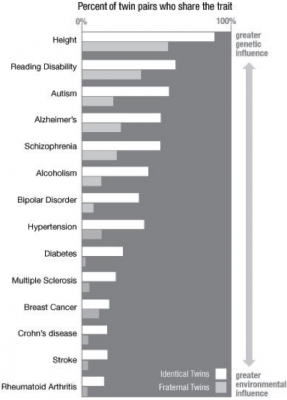
Some diseases like diabetes or heart disease are strongly associated with life style: healthy nutrition and regular exercise should minimize the risk. Further, the field of epigenetics has recently emerged as a promising path forward to a better understanding of how “environment” influences health. While life style choices are certainly a contributing factor, recent research has shown other important areas of prevention that are relevant for other chronic diseases, too: exposure to everyday chemicals and healthy nutrition during prenatal development (Barouki et al. 2012).